NEWS UPDATES:
We are now accepting applications for the Fall Men Connecting Group . If you are interested in participating , here is the information for the fall session. Please contact me if you have any questions.

Spirit Lab Guidance & Healing
Crow Medicine - In Celtic traditions, crows have represented wisdom, intelligence, and the ability to navigate between realms, serving as guides through darkness and transformation.
Jason Traweek is a Certified Hakomi Practitioner (CHP) and shamanic guide. He completed his training in the Hakomi method in 2018 and has since then become certified by the Hakomi Institute. He creates a warm and inviting space while guiding individuals inward with deep integrity and insight. His gentle and easy presence, combined with skillful guidance, offers a unique approach to healing. He draws from his training in the mind/body-based Hakomi psychotherapy method and a lifetime of practice in shamanic work. These methods bypass the chatter of cognitive talk therapy practices, connecting directly to the parts of ourselves that need the most attention. Together, you will find a path to healing through body and spirit.
Jason can help with:
Recognizing and unraveling old patterns
Re-discovering connection to your body’s memory and wisdom
Supporting the integration of spiritual experiences and psychedelic journeys
Men’s and young men’s (adolescents) work
Working with musicians and artists.
Jason offers sessions both in person in South Austin, Texas, and online.
Schedule a session here, or feel free to call/text: (512) 522-0241
Free 15 min consultation for new clients
Rate: $120/hr
In-calls are potentially available within the Austin city limits (call for rates)
Men Connecting Men’s Group
Jason offers semi-annual in-person process group for men in Austin, Texas. In this group men will connect in a meaningful way with other men, and learn a lot about themselves in the process. The group is led by Hakomi trained somatic counselors, which means that men will be led out of cognitive habits and into the heart + body. We will explore mindfulness, and use this skill to explore barriers to true engagement with ourselves and our world. Men of all cultures, orientations, and backgrounds are welcome. See more information about the upcoming group here.

What is Hakomi?
Hakomi is a gentle yet powerful experiential psychotherapy that uses mindfulness and somatic interventions to heal attachment wounds and developmental trauma. Throughout your session, Jason will gently shift you away from habitual cognitive processes and back into your body and spirit.
Created by the internationally renowned therapist and author Ron Kurtz (1934-2011) with assistance from a core group of colleagues, Hakomi draws from General Systems Theory and body-centered therapies. Other inspirations come from Reichian work, Bioenergetics, Gestalt, Psychomotor, Feldenkrais, Structural Bodywork, Ericksonian Hypnosis, Focusing, Neurolinguistic Programming, Buddhism, and Taoism.
The method continues to evolve in response to ongoing discoveries in neuroscience, traumatology, attachment theory, and other related fields. While primarily a method of psychotherapy, Hakomi fits with many mind-body, educational, coaching, and wellness modalities.
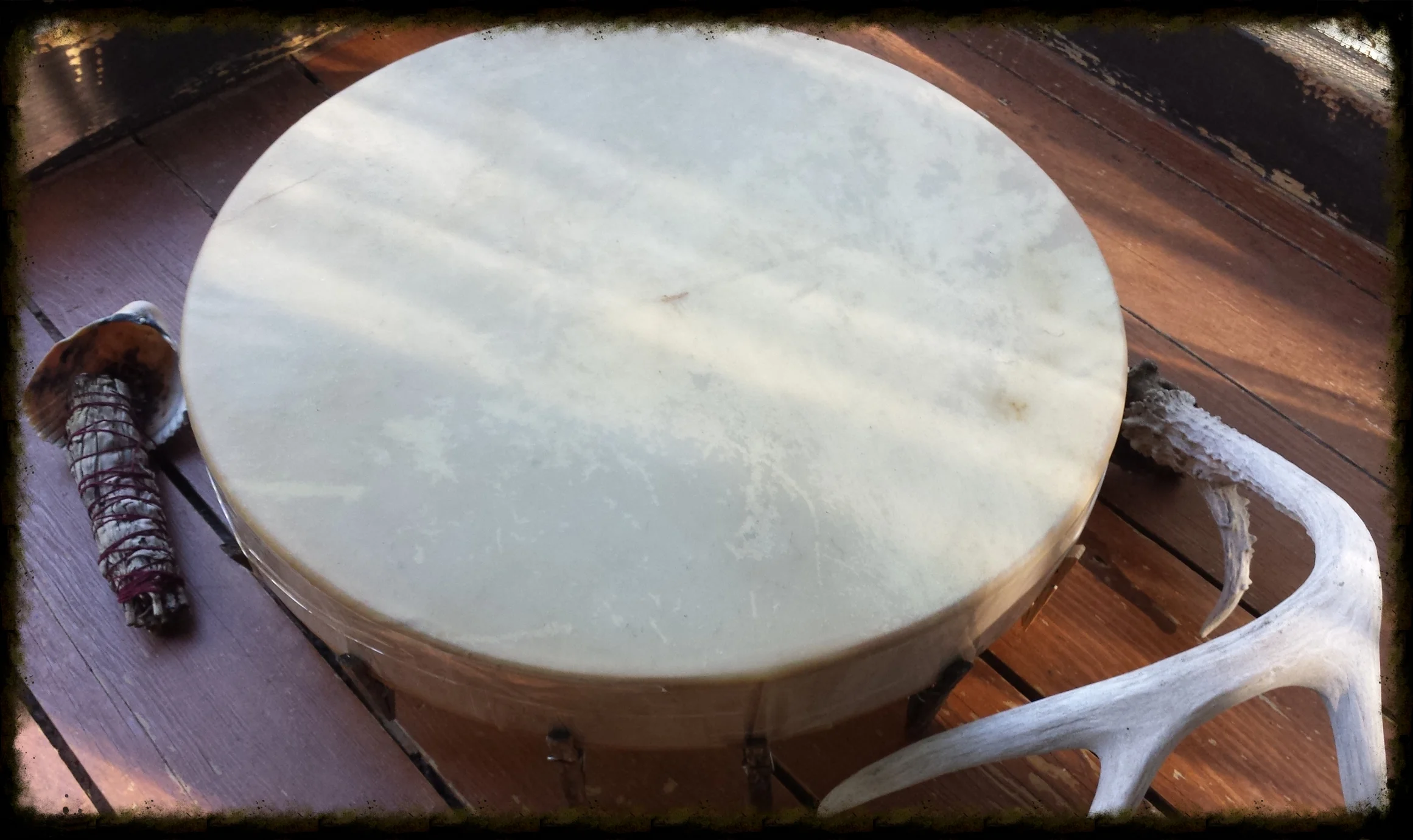
Shamanic Work
Shamanism is an ancient spiritual practice found in many cultures around the world, centered on a practitioner who acts as a bridge between the physical world and the spiritual realm. Shamans use rituals, drumming, meditation, and sometimes natural substances to enter altered states of consciousness, such as trance, to communicate with spirits, ancestors, or nature for healing, guidance, or wisdom.
The core belief is that everything in nature has a spirit, and spiritual imbalances can affect physical health and well-being. Shamans are seen as healers, protectors, and mediators who restore balance by addressing spiritual causes of illness, cleansing negative energies, or retrieving lost soul parts.
While originating in Siberia and indigenous communities of northern Asia, shamanic traditions exist globally—from the Amazon and Africa to Australia and the Arctic. Though historically associated with Indigenous and tribal societies, modern Western interpretations have evolved, often blending with psychology and alternative healing practices.